The White House's New Style of Foreign Political Interference
Dec 03, 2025
Washington [US], December 3: US President Donald Trump is increasingly pushing a diplomatic strategy of supporting right-wing allies in other countries.
Reuters on December 2 quoted US President Donald Trump as saying that Honduras appeared to be "trying to change the results of the presidential election", accusing the Central American country's electoral commission of stopping the vote count too early. "If they do, there will be a heavy price to pay! The people of Honduras voted in overwhelming numbers on November 30," he wrote on the social network Truth Social. The preliminary election results on December 1, with just over 40% of the votes counted, showed that conservative Nationalist Party candidate Nasry Asfura was ahead of Liberal Party candidate Salvador Nasralla.
Earlier, Mr. Trump publicly supported Mr. Asfura through a series of posts on social media, saying that he could cooperate with Mr. Asfura to fight drug trafficking and that "if Mr. Asfura does not win, the United States will no longer continue to throw good money after bad."
Latin America, Europe
Trump is urging voters to vote for his right-wing friends, an overt move that is no longer the result of CIA intrigue or covert media campaigns, observers say. He is particularly encouraged in Latin America, where Washington has long been meddling. US Secretary of State Marco Rubio has demeaned Colombia's elected leftist president, Gustavo Petro, and imposed sanctions on a Brazilian judge who indicted former right-wing president Jair Bolsonaro for trying to overturn the election.
In Argentina, Mr. Trump promised $20 billion to support the struggling economy, but warned that he would not spend it if voters rejected President Javier Milei in the election. The right-wing leader's Liberal Party ultimately won. In Venezuela, where there have been no recent elections, Mr. Trump has threatened to use military force to remove leftist leader Nicolas Maduro.
Mr. Trump also sought to influence European countries. US Homeland Security Secretary Kristi Noem, during a visit to Poland, publicly endorsed Karol Nawrocki, the conservative presidential candidate who later won. Vice President JD Vance, during a visit to Germany, publicly criticized restrictions on the far-right AfD party. Mr. Trump and his aides praised British anti-immigrant lawmaker Nigel Farage and criticized a French court ruling against far-right leader Marine Le Pen.
Individual approach
Israeli political scientist Dov Levin, in a 2021 book, wrote that the US has intervened in foreign elections more than 80 times since the end of World War II, more than any other country. However, Thomas Carothers, an expert at the Carnegie Endowment for International Peace (USA), said that Mr. Trump seems to be unique not only in his overt measures but also in his motives. "This is different from the Cold War, when the US often supported a specific individual and for geostrategic reasons. What we see here is that Mr. Trump feels he has a group of friends around the world that he wants to help," Mr. Carothers said.
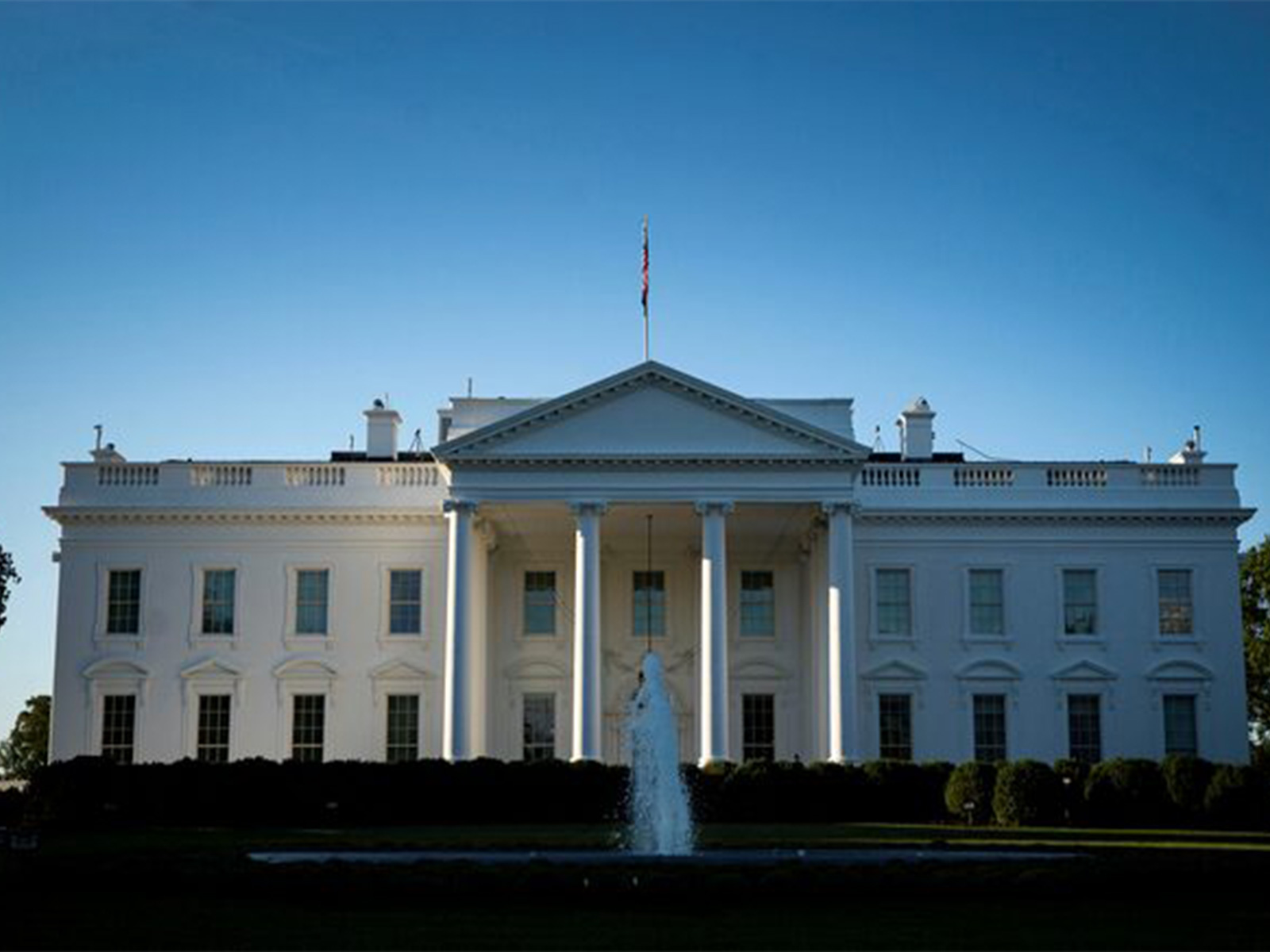
Commenting on the case of Hungarian Prime Minister Viktor Orban, Mr. Carothers said that many European leaders want this right-wing figure to lose in the election in April 2026, but they do not say so publicly. Last month, Mr. Trump hosted Mr. Orban at the White House . Speaking together to the press, Mr. Trump said bluntly that European leaders need to have a higher opinion of Mr. Orban.
Source: Thanh Nieu Newspaper